The post Athens’ story: the Open School Lab appeared first on FoodSHIFT 2030.
]]>Athens Lab Focus
- The Athen’s FAL goal has been to engage schools in (re-) connecting young people with land and nature as well as using summer courses as training to promote healthy eating and plant-based foods.
- They chose this focus since they had already noticed in previous projects that the students’ relation to the food system and nature is lost and so they felt the urge to restore this relationship and connect the school with the local community.
- To tackle the issue, the first step was really to raise awareness and raise students’ awareness on the issue
- This is easier said than done. For example, finding the necessary funding and connecting to local policy makers to support the process as well integrating societal actors into the educational process and having them actively engaged is hard
- Nevertheless, some major successes can be celebrated, such as being members of the Food Saving Alliance and the connection with the Ministry of Environment, generally raising more awareness on food in the local society, launching upcoming projects focused on education on the food system, yearly summer schools for teachers and being members of the European Partnership for a Sustainable Future of Food Systems
- And there is more: school guidelines for food system transition action plans are in the making to support local schools and beyond in doing the same
- For a city wanting to embark on a similar journey, the recommendation is to be motivated and passionate about the topic and have a clear vision to sustain energy for addressing such a challenging topic. In the end, remember to cherish the successes – no matter how small. Because doing something is always better than doing nothing at all.
Interview to the Athens Lab Coordinator
What was your city’s specific focus in your food system transition and how did you initially start working with this focus area in your city?
Katerina Riviou
Our goal has been to transform the school, to act as a hub or as a living lab for the food system shift, which is very necessary nowadays with all the challenges that we have. This effort already started some years ago with us trying to support the Food 2030 agenda and leading the Athens City Lab in the context of the Fit4Food 2030 Project. So, what we have noticed, which is actually quite global, is that students’ relation to the food system and nature is lost and we need to restore this relationship and connect the school with the local community. This is something that we have also been working on with the open schooling approach and delivery of those. So, since the challenges of the food system are quite critical nowadays, we need to educate students for them to become the responsible citizens of tomorrow. This is something that we have been working on. And towards this goal, we have adopted this whole school approach. That means that the school leaders need to be on board as well to transform the liberty educational process by integrating, where the curriculum allows, activities having to do with the food system. But also make interventions in the operation of the school itself. It has to do with how the school restaurants and the school canteens operate and how they work towards food waste prevention.
I think that the first step is always raising awareness on these topics. And I think through the process that we follow, through students, the messages go back to the families and the parents at least. Maybe even the grandparents, when for example we ask students to bring some local traditional recipes after talking to their grandparents. So, it’s three generations who are getting involved. I think the first step is really to raise awareness and problematize the issue regarding the challenges that exist. We have run many activities trying to sensitise students to follow healthy dietary habits and promote physical activity and make them more active, e.g., with circulation of physical bands, and smartwatches, etc. So, these activities, you know, they go back to their homes, parents sometimes need to sign consent forms for their children to participate in these activities. I think they get the initial message on these challenges. Of course, there are barriers in that. Time, you know, the modern lifestyle, we are out of the house for a lot of time each day. Sometimes even the financial status can be a barrier for citizens to engage, etc.
What were some obstacles or challenges you faced in your food system transition and how did you overcome them (or are planning on overcoming them)?
Katerina Riviou
You know, one of the elements of the Living Lab approach is to open the school to the local community, to integrate societal actors into the educational process. This is not something easy to achieve, and to have these actors actively engaged. But we have been working on this open school model for many years now. We have coordinated the first opening school project in fact. So, we are always trying and working in this direction. Because we also feel that the expertise, stakeholders from the quadruple helix of innovation, which includes researchers, industries, NGOs, etc. which are quite useful to be integrated into the educational process. The final step in this approach is that the outcomes of the educational interventions go back to the local community. So, at the end of every school year, we organise festivals or open days, where the outcomes of students’ projects are shown to their families, to their important others, and of course, to the local community.
I also think that COVID and lockdowns, etc. were a challenge. Also, for addressing other food system stakeholders. We did have the opportunity, though, to run an interesting survey at that point on the dietary habits of students during school closure versus before. But it was a high effort, you know.
Funding is another challenge. Because we are also working on multiple levels. So, it’s a different thing if you are just working internally than if you try to extrapolate your approach to organisations as well. So, resources, financial resources are needed. And I also think if the connection to local policy makers is strong, that could create a great push. But also, because we have been active in other projects for a long time, we are also strongly connected to policymakers with the Minister of Education, as you can imagine. So, the Institute of Education and Policy. So, this is another venue for helping us reach out to national levels.
If you look back on the last four years, what would you say were your biggest achievements or impacts that you achieved during the project?
Katerina Riviou
I would say that one of the primary successes would be us being members of the Food Saving Alliance and the connection with the Ministry of Environment. And then, for example, that the municipality has started working on the online citizen engagement tool that is provided by the project. After our collaboration and proposal, the goal is to bring the schools and the municipality together and to support the incentives among them. And the meeting that took place on their premises where teachers and principals from schools came together, and we discussed the activities they run and the problems in school operations, food procurement etc.
I hope that we can continue to work in this direction. Because also, in terms of local policy making, I think food is left behind. With our work during the last few years, we tried to promote the importance of the topic.
What I see as a next step, and I think that this could already be an outcome for this project, are some guidelines for schools on having an action plan regarding the activities they could undertake regarding food system shift. And I think we will also go beyond that. Like a green action plan that can be monitored annually and updated. But we will also start working on integrating the educational activities we provide.
Lastly, we are very proud that we have organised the two summer schools in the last two years. And our goal is to keep organising these teacher training activities with the participation of teachers from all around Europe. And with the participation of our innovators in these activities, we gave them the chance to introduce their innovations to teachers, and we trained them (the teachers) in applying the living labs approach.
Also, we are very proud that we have succeeded in applying for subsequent projects, e.g., one focused on education, the Foodshift Pathways. This helped us pave our way also in the context of FoodSHIFT2030 e.g., we did a teacher needs analysis, with surveys with teachers, to have a more robust picture of their training needs, mapping of sustainability competence frameworks and the barriers and the enablers for integrating food system educational activities in the curriculum, their views on the competencies that students need to develop and studying on from the green comp, the green competence framework. And our goal is to also enhance the educational materials we have. We have created an online community of practice for teachers where they can share their resources and exchange insights from implementation and adopt these activities. So, this is also a way to disseminate and outreach the activities we do even beyond the regional, local endeavor. Lastly, we have managed to be members of the European Partnership for a sustainable future of food systems, a long-lasting European endeavour.
What advice do you have for other cities who want to embark on a similar journey?
Katerina Riviou
I would say that you need to be motivated. You need to be passionate about the topic. Because it’s quite a challenging topic, and you need to work and try a lot to engage people, stakeholders and create some outcomes.
Have a specific vision and work on that. I think in the end, even if you have small successes, these are quite beneficial compared to not doing anything at all.
Contact information?
Katerina Riviou, Ellinogermaniki Agogi, R&D Dept., kriviou[@]ea.gr, +30 2130070582
Read more about the Athens Lab in these blogposts:
The “Schools as Sites for Food System Transformation” Summer School
Schools as sites for Food System Transformation: Summer School 2022
The post Athens’ story: the Open School Lab appeared first on FoodSHIFT 2030.
]]>The post The “Schools as Sites for Food System Transformation” Summer School appeared first on FoodSHIFT 2030.
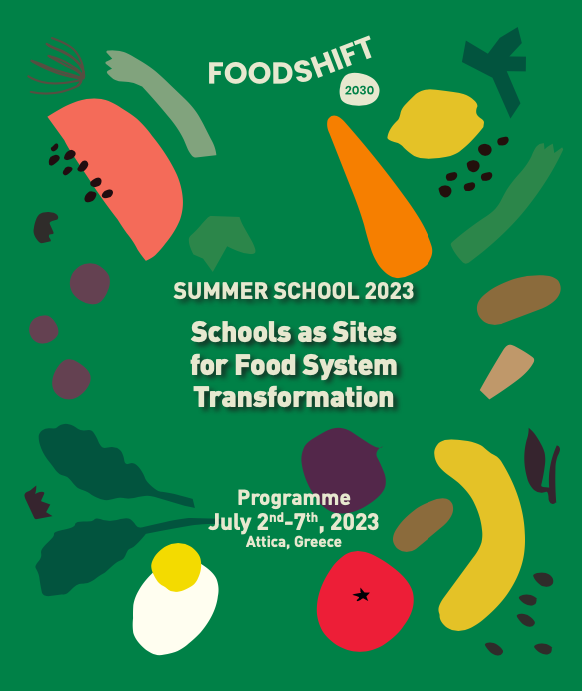
]]>The second FOODSHIFT2030 Summer School on the theme of “Schools as Sites for Food System Transformation” (https://esia.ea.gr/foodshift2030-summer-school/) took place in Marathon, 2-7 July 2023 and was completed with overwhelming success!
The “Schools as sites for Food System Transformation” Summer School aimed to familiarise participants with the Open Schooling and Living Labs approach that provides a powerful framework for school heads and teachers to engage, discuss and explore how schools can become innovation incubators and accelerators for the food system transformation. The final?programme?of the summer school is available here: Summer School Programme
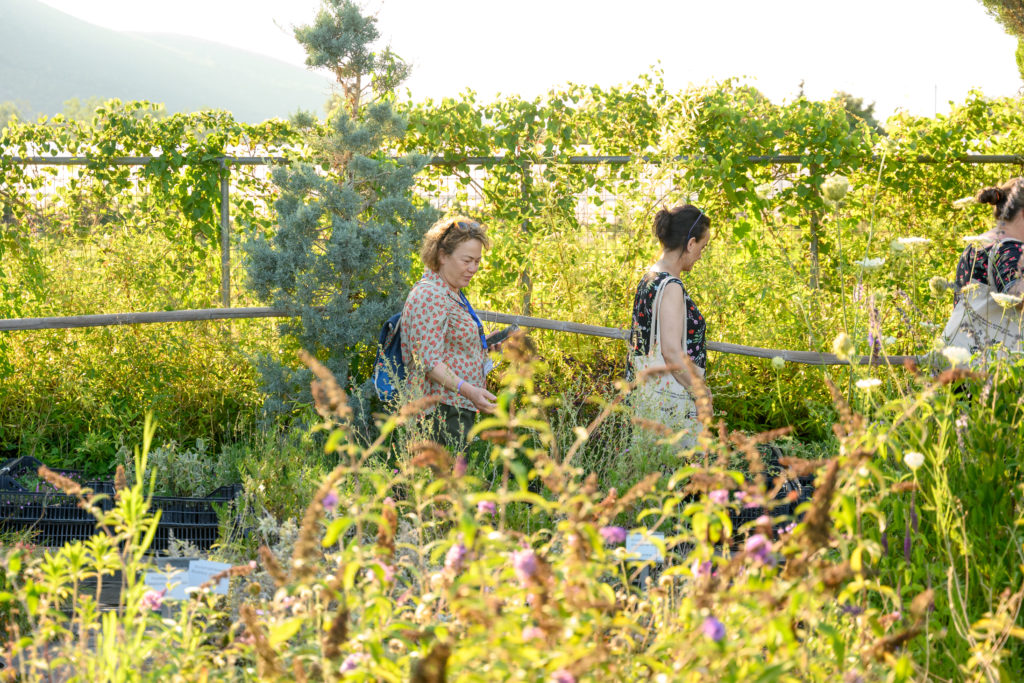
The Summer School comprised of primary and secondary school teachers with a strong focus on Learning for Sustainability Education and food systems, education policymakers, environmental education coordinators from Municipalities, university researchers, environmental experts and entrepreneurs focusing on the development of STEM activities related to climate adaptation and food systems.
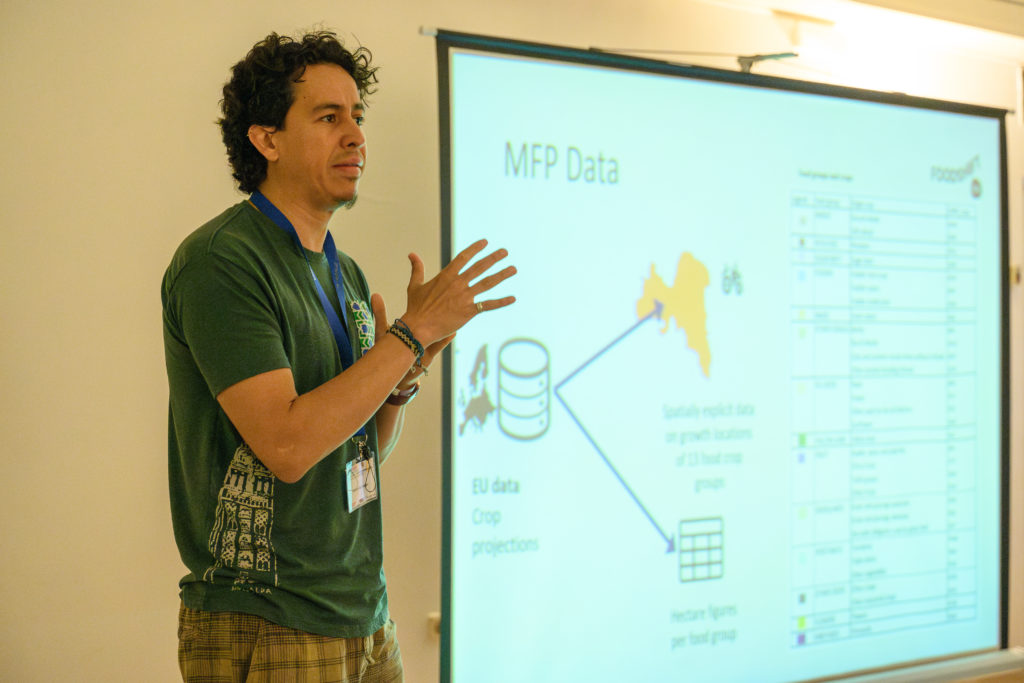
Photo credits: Athens FAL
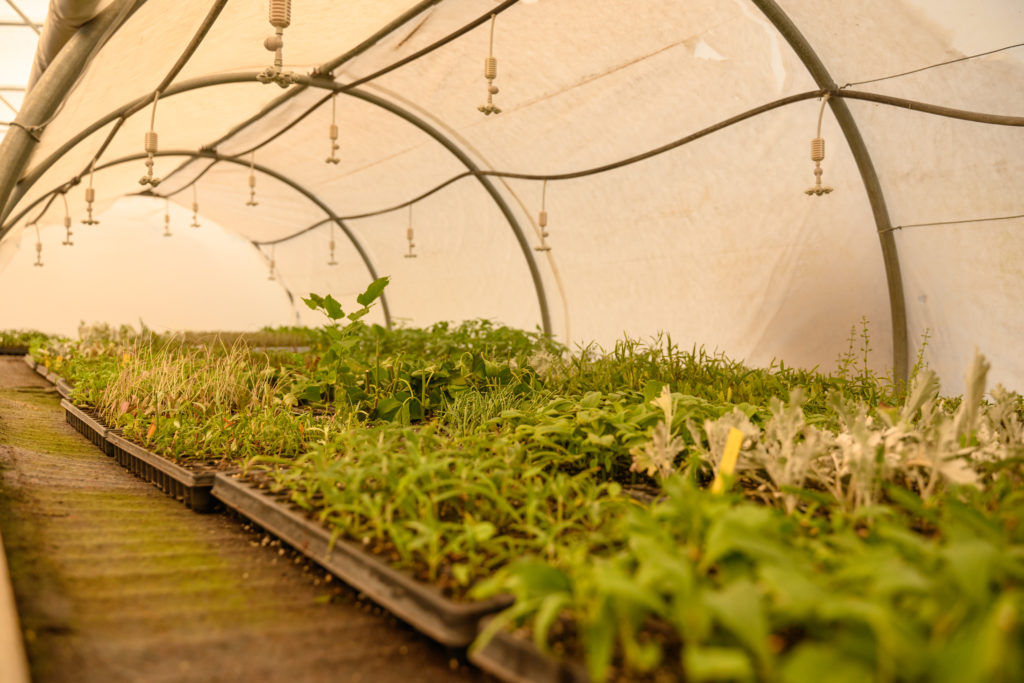
We had 24 participants mostly educators from school and higher education from 10 countries (Romania, Spain, Netherlands, France, Poland, Switzerland, Austria, Czech Republic, Croatia and Greece), 3 facilitators from Ellinogermaniki Agogi available on site and 13 externals most of them Athens FAL innovators, 5 FoodSHIFT2030 partners acting as facilitators, 7 keynote talks on the starting day (FOODSHIFT2030 was presented by Luke Schafer from University of Copenhagen) to almost 130 participants from all the summer schools running in parallel the specific week in Marathon, 15 presentations, 7 workshops, group work and co-creation sessions, 2 focus groups, a field visit to a Marathon park/farm and 2 social visits to places of cultural and historical interest (Acropolis and Cape Sounio) ending up with interesting food experiences of local seasonal products.
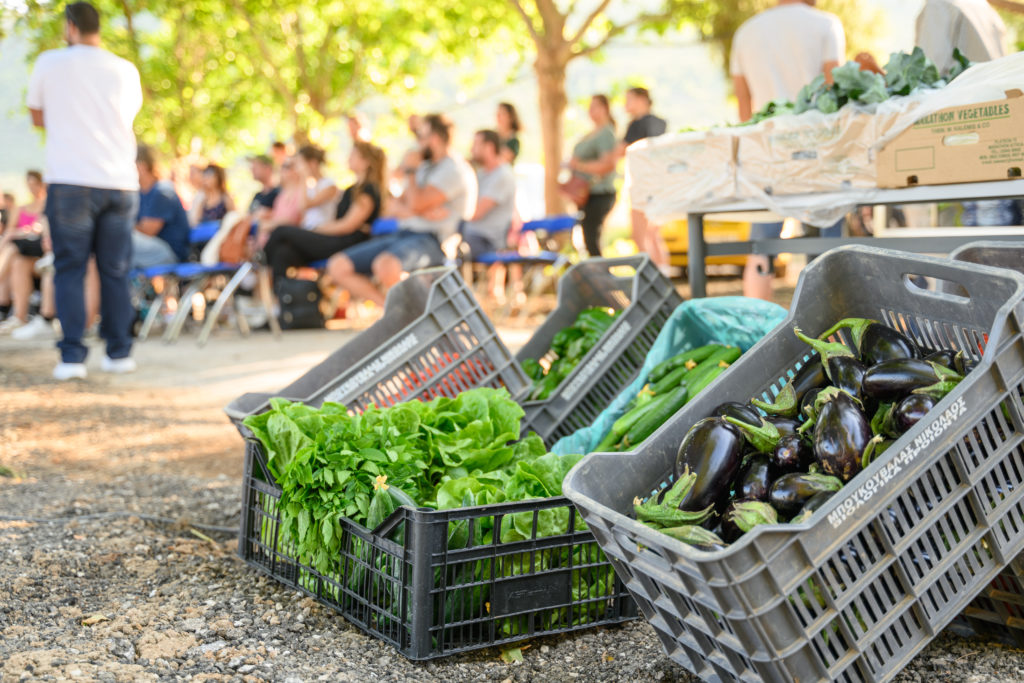
Photo credits: Athens FAL
Among participants were invited educators from FoodSHIFT2030 FALs, the winners of the Greek educational scenario contest who have been awarded their participation (more information on the contest here https://foodshift2030.ea.gr/) and 3 participants who participated through Erasmus+ funding opportunities.
From Monday to Thursday, participants embarked on a collaborative, co-creative adventure! ?On Monday morning, they got familiar with some basic concepts, methods and approaches on living labs developed in different projects such as SALL, NBS EduWORLD, AESOP4food and SCHOOLFOOD4CHANGE, the concept of citizen science developed in FabCitizen.
Very soon afterwards, participants entered the route to inspiration with practices being presented under session or workshop format grouped under the themes of sustainability, circular economy, food waste prevention, nature-based solutions, healthy and sustainable eating habits, edible and school gardens, whole-schools approaches and citizen science applications.?Participants got acquainted with more than a dozen of inspirational practices giving?them?ideas and practical guidance for designing/enhancing their own Living Lab projects, with their own professional context in mind. Participants had been asked to come with their own ideas for a Living Lab project that would be relevant and valuable in their own professional context?and gradually developed their project?up to Thursday, when they had the opportunity for group work and co-creation.
With such a diverse and interesting group of participants, the knowledge-sharing discussions, the co-design workshops, and focus groups were an overwhelming success, resulting in a truly innovative and inspiring vision of the schools as Living Labs for the food system transformation. Participants had the opportunity among others to develop scenarios with the Metropolitan Foodscape Planner ???l, a participatory tool for assessing land footprint in city-region food systems; develop their digital competence and get to know more about the POWAR climate simulator that can act as food education tool.
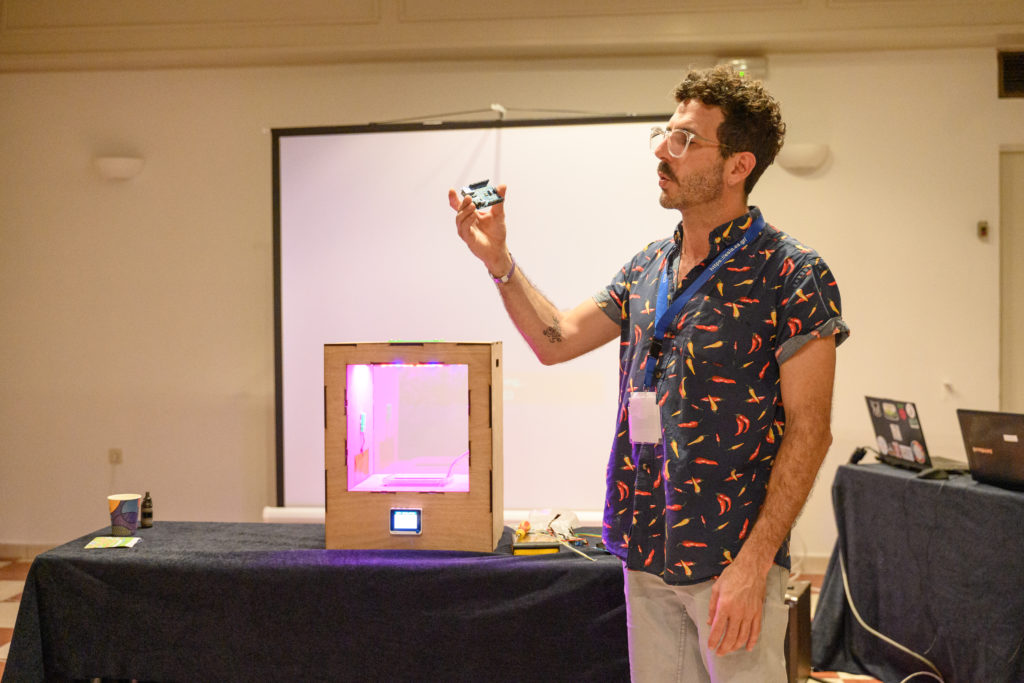
Photo credits: Athens FAL
Participants also enthusiastically shared their ideas, concerns and hopes to enhance their students’ Sustainability Competence and the FoodSHIFT Pathways (https://foodshift-pathways.eu/) pedagogical design and nature-based solutions: how nature – based solutions can lead competence development for sustainable communities. Finally, qualitative research for analysis of eating habits and attitudes took place.
On Friday, participants presented their projects, reflected and celebrated the completion of the summer school. Having gained knowledge on the Living Labs vision, participants collaborated in groups, bringing together their diverse ideas, perspectives, expertise, and creativity to imagine their dream school on the theme of the food systems. The summer school fostered some knowledge – sharing atmosphere, empowering the participants to design the schools of the future by integrating formal, non-formal, and informal concepts and activities on the topic of the food systems. The outcomes of the summer school also ignited a sense of hope and optimism for the potential of mainstreaming food systems in education, where schools become incubators and accelerators of innovation and experimentation for the local communities and the broader society for the needed food system transformation. Participants had also the opportunity to share their work on the dedicated online community that has been created on the Schools as Living Labs (SALL) portal. Until the next one!
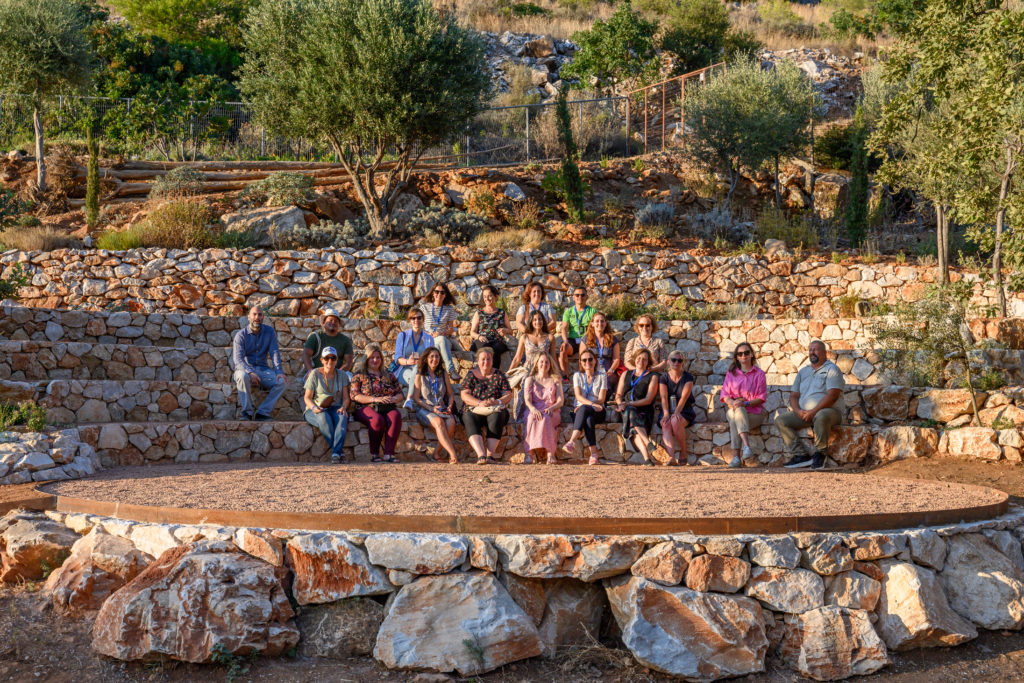
Photo credits: Athens FAL
The post The “Schools as Sites for Food System Transformation” Summer School appeared first on FoodSHIFT 2030.
]]>The post Multiplying the impact – sharing experiences: Peer-to-peer learning in FoodSHIFT2030 appeared first on FoodSHIFT 2030.
]]>Keywords: peer-to-peer learning, knowledge transfer, network
The peer-to-peer learning approach is learning at equal level, where people with similar tasks, aims or challenges share experiences, ideas and knowledge with each other without hierarchies.
Peer-to-peer learning in FoodSHIFT2030
There are many peer-to-peer learning formats, some of which have been gathered within FoodSHIFT2030 in deliverable 5.3 under the title “Multiplying the impact – sharing experiences: training and guidance materials for knowledge transfer”. This collection primarily addresses the FoodSHIFT2030 Accelerator Labs (FALs) and aims to facilitate peer-to-peer knowledge transfer of experience with food system innovations among all FALs as well as among the FALs and the FoodSHIFT2030 Enabler Labs (FELs). However, it can also serve as a diverse source of inspiration for actors in the field of mutual knowledge transfer beyond the project’s lifetime and thematic scope.
The document is available for download in the “resources” section of FoodSHIFT’s website among various further inspiring outputs of the project: https://foodshift2030.eu/resources/.
On the one hand, the material contains peer-to-peer learning formats in general description which can be applied in a variety of situations and knowledge transfer environments. On the other hand, there are knowledge transfer formats that were developed or/and applied specifically within the FoodSHIFT2030 context.
It is an elementary aspect that not only the knowledge transfer formats themselves follow the peer-to-peer approach, but also the compilation of the material took place in co-creation, a collaborative process of knowledge generation: hereby, the FALs generated knowledge for each other, such as good practice cases from within the project as well as specific training material from a FAL’s individual experience. Further, in an iterative bottom-up approach which required the intensive involvement of the FALs, their needs, strengths and challenges were identified, for instance during consortium meetings, in interviews and in brainstorming sessions.
Thus, in the spirit of peer-to-peer learning, most of the training and guidance material was not unilaterally created by FoodSHIFT’s WP5 team for knowledge transfer but arose from the condensed outcomes of these assessments. The WP5 team, the knowledge brokers, hereby guide this knowledge generation to ensure that the knowledge is being transferred within and beyond in formats suitable for the respective target groups.
An exemplary format: a series of video interviews
In addition to the tools for networking, information, and knowledge transfer, as well as best practices and implementation examples from FALs and much more, the collection includes a series of video interviews in which FALs have their say:
Recorded at the consortium meeting in Brasov, they spontaneously talk about their innovation principles as well as their experiences in the project with a focus on the interaction with the FELs with whom knowledge transfer and experience sharing is taking place very specifically within the project.

© Annika Frühbeißer
In addition, an introductory animated video has been created that explains a little about the FALs and their activities in FoodSHIFT2030. You can find the four video interviews and the introductory video on the YouTube channel of FoodSHIFT2030 in the playlist: Exchange visits: Knowledge Exchange FAL to FEL.

© Annika Frühbeißer
Shooting and editing video requires some training, and a course is recommended. However, if once the necessary know-how has been acquired, all you need is a smartphone with a stabilisator (a so-called gimbal), a filming and editing app as well as a clip-on microphone to professionally produce your own videos.
Videos are establishing as a knowledge transfer format since they correspond to the zeitgeist and offer many advantages:
- Knowledge can be conveyed in a highly compressed and easily understandable way through video content.
- In addition to real-filmic elements, animation elements allow creative freedom and add a framework and structure to a video; for instance, we used the simpleshow.com programme in FoodSHIFT’s videos.
- Knowledge can be accessed freely at any time, the knowledge flow can be paused and repeated if the videos are published on public platforms such as YouTube or a project website.
- Onward dissemination by the viewers, even on a large scale, is low-threshold and can have a great impact (social media).
- And last but not least, it is great fun to talk to your peers and gain new insights whilst you are shooting the videos!
Watch the series of video interviews here below:
The post Multiplying the impact – sharing experiences: Peer-to-peer learning in FoodSHIFT2030 appeared first on FoodSHIFT 2030.
]]>The post Innovators: Meet the people changing your food system appeared first on FoodSHIFT 2030.
]]>In these portraits, each of the 90 innovators has been profiled using compact descriptive section addressing the key activities and achievements so far as well as the near future perspectives under the heading ‘Looking ahead’. The one-page portraits are complemented by infographics on the impacts and the relevant contact details.
For quick orientation, the innovations have been categorized according to four innovation dimensions: product, process, social & governance. These dimensions enable us to identify what kind of innovations are being initiated across city regions and provide suitable, relevant support.
These rich examples give us a glimpse of how food system innovations can look, and how they can be effective in addressing elements of the food system, and the relevant stakeholders that are involved. Together, these innovators and related stakeholders form the Innovation Ecosystem in their city-region, which has the potential to redefine local food systems.
Supporting Innovations
In addition to these differing innovation dimensions, the Innovation Portraits also highlight the varying maturity levels seen among innovations. This maturity refers to the developmental stage of an innovation, which can be useful in identifying the needs and next steps that an innovator can take to bring an idea to life, from Eureka! moment to viable product or service.
Based on the maturity of an innovation, we can establish what kind of support would be best suited to the innovator. This support takes three main forms:
Maturing – advancing an innovation for better application as a solution. E.g. improved functioning of the innovation, better organizational structure, developing a business strategy…
Combining – linking of different innovations for strategic purposes. E.g. partnerships to facilitate new services, resource sharing, collaboration towards a common goal (coalitions, associations…)
Upscaling – increasing the impact and/or outreach of an innovation. E.g. increasing production, adding new products or services, outreach to new markets or communities, open-source knowledge sharing…
The Innovation Portraits provide us with an important reflection of the food system transition, in that many innovations are still early on in their maturing process, and in addition to the passion and ambition of the innovator themselves, will require targeted support and enabling conditions to thrive.
Providing us with snapshots of diverse innovators per city region, the Innovation Portraits also offer us an opportunity to consider how the Innovation Ecosystems in these city regions look. For example:
- Which innovators have (potentially) complementary resources, products or services?
- Which partnerships can be formed?
- Which innovators have a common interest or goal?
In particular, these questions can open the door to opportunities for combining, stimulating activity in the local Innovation Ecosystem. Looking at long-term perspectives, upscaling is a key acceleration mechanism for innovations that are at a high level of maturity and wish to increase their reach and impact.
Discover all INNOVATORS at a glance here!
Opportunities for Change
The 90 cases highlighted by the Innovation Portraits provides not only an inspiring portfolio of the diverse innovations that are actively contributing to food system transition, but also an example of how individual action, by individual innovators, can kick-start the development of an innovation ecosystem. These innovation ecosystems are fundamental in challenging the status-quo of food systems, and can generate awareness, interest and engagement with change. Through supporting the innovators highlighted in these Innovation Portraits, the FoodSHIFT2030 consortium hopes to accelerate the transition to a low-carbon, circular and plant-based food system in Europe.
Download the Innovation Portrait brochure here.
The post Innovators: Meet the people changing your food system appeared first on FoodSHIFT 2030.
]]>The post Press Release – What you do everyday matters appeared first on FoodSHIFT 2030.
]]>FoodSHIFT 2030 project has brought together 30 different organisations and over 120 project personnel with all kinds of backgrounds, expertise and experiences. This article forms a collage of the every-day works of individuals that were collected during lively and successful discussion at the recent Consortium Roundtable in Brasov, Romania (take a look to Brasov Press Release here!).

FoodSHIFT team in Brasov – photo credits to Brasov FAL
The TLDR inspiration – It is easy to feel overwhelmed, lost and disheartened when your every-day work is to ‘transform the food system’, But take a moment to acknowledge one’s own work, no matter how small, together with the collective works of many individuals moving in the same direction, Now the pathway to highly ambitious goals like transforming the food system become a little more illuminated, a lot less daunting and a whole lot more achievable!
In no particular order, here is a snapshot of the every-day works from 20 individual ‘FoodSHIFT’ers’ that form a collective effort towards a transformation of the EU Food System:
Education and Capacity Building
- ‘Counseling kitchens, pushing the agenda, developing tools’
- ‘Educational, social & environmental issues’
- ‘it’s all to support the central kitchen team!’
- ‘Teaching about carbon footprint (including food aspect), environmental impact assessment, using GIS for different spatial analysis.’
Citizen Engagement
- Participatory and action research methods. This includes design and methodological undertaking tailored to facilitate learning on social innovations for food system change. Outputs of research will seek broad communication with the multiple stakeholders of city-regions food systems.
City planning
- ‘Understanding cities’ needs for food system knowledge and tools and helping meet these needs; engaging diverse stakeholders in food systems science’
Communication
- ‘Organising public webinars and training workshops to disseminate knowledge and best practice, supporting the leaders of other work packages to produce assets which will be part of the legacy of FoodSHIFT’
Governance Planning
- ‘policy advice, implement concrete actions for the food strategy, involving stakeholders and citizens in the food system, organising campaign dealing with food (eg veggie challenge), contact with colleagues within the city departments on food, contact with key stakeholders in the steering group/possible future food council’
Management:
- ‘Strategic coordination of large, multi-disciplinary partnerships towards food system transition, continuously fostering relations for the identification and execution of common rewards, day to day implementation of flexible, innovative project management’
- ‘Following project meetings, Answering to related emails, looking into forthcoming actions, involvement & our obligations according to planning, working on deliverables’
Knowledge Sharing
- ‘Exchanging with FALs as the organizational hubs for food system transition in their efforts to reach out and place their activities in the wider picture of international policies and methods/tool applications.’
- ‘Stakeholder engagement, strategy development, knowledge co-creation and sharing, research and publishing, lots of e-mails’
- ‘I’m the link between the action and the Consortium’
Research
- ‘Mapping the ecological footprint of food consumption patterns in city regions’
- Data analysis of Brasov food system. Communication with FELs. Dissemination of FoodSHIFT2030 activities. Active participation in workshops.’
- ‘Development of guidelines and feedback loops for acceleration of innovation.
- Undertaking research on food system innovations’
- ‘Supporting the development and piloting of open source technology for the production, elaboration, consumption, and re- & upcycling of food in cities.’
On the ground actions
- ‘Barcelona FAL Food Tech 3.0 Lab Lead : Design, implement and monitoring each of the actions necessary to develop the FOOD SHIFT 2030 project, as well as support each of the project’s innovators. Follow in detail the assignment of the Budget of the FOOD SHIFT 2030 project. Contribute to the development of the food system through activities with the FELs established for Barcelona (Hamburg, Avignon and Milan)’
- ‘we organised CSA at our University, so I am engaged in this process and taking veggies & fruits boxes each week. I don’t eat meat (only fish) as well as not dairy (cow’s) products. Within Students Scientific Organization – we are obtaining extra funds to establish community gardens in participatory way.’
- ‘Living Lab approach, participatory workshops and research designs, strategy co-creation, public communication (podcasts, interviews, short movies, print media), qualitative and quantitative modelling approaches and other methods of social and environmental research’
The post Press Release – What you do everyday matters appeared first on FoodSHIFT 2030.
]]>The post PRESS RELEASE: Over 30 city-regions selected to join FoodSHIFT project as Fellows appeared first on FoodSHIFT 2030.
]]>FoodSHIFT2030 has selected over 30 place-based food partnerships to join the European wide project as FoodSHIFT fellow city-regions, with the aim of establishing FoodSHIFT Enabler Labs (FELs) in their respective local areas.
The fellow city-regions have been paired with one of the 9 already established FoodSHIFT Accelerator Labs (FALs); city-based partnerships of engaged citizens, NGOs, SMEs, researchers, local administration and policy makers, located in Barcelona, Bari, Wroclow, Ostende, Copenhagen, Brasov, Berlin, Avignon and Athens.
The new Fellows will be invited to participate in a multilateral exchange of knowledge, expertise and experience with both their paired FALs and across the project as a whole.
The list of successful applicants and their paired FALs are as follows:
- Athens FAL with Vrilissia, Nea Smyrni, Korydallos, Halandri, Agia Paraskevi in Attika Region (GR)
- Avignon FAL with Albi-Occitanie (FR), Bergamo (IT) and Bordeaux Métropole (FR), Geneva (CH) + Manger Demain (BE)
- Barcelona FAL with Exeter (UK), Hamburg (DE), Milan (IT), Paris (FR)
- Bari FAL with Tirana (Albania), Taranto and Tricase (IT)
- Berlin FAL with Bochum, Freiburg & Region, and Luebeck (DE), and Zurich (CH)
- Brasov FAL with Alba Iulia, Sibiu, and Cluj-Napoca (Romania)
- Copenhagen FAL with Basel (CH), Kaunas (LI), Plymouth-Devon (UK)
- Ostend FAL with Bruges, Eeklo-East-Flanders, and Kortrijk (BE) and Lisbon Metropolitan Area (PT)
- Wroclaw FAL with Warsaw (PL), Greater Manchester (UK) and Trento (IT)
The inclusion of Fellows to the project builds on the FoodSHIFT aim to shift urban food systems towards more sustainable food systems, putting citizens at the centre of change in a novel approach to scale-up, multiply and share the best food innovations European communities have to offer.
Christian Bugge Henriksen, FoodSHIFT2030 Project Coordinator says:
“We are delighted to welcome on board the successful applicants to join the next phase of the FoodSHIFT 2030 project where we are organizing knowledge exchange between our nine initial city regions and more than twenty seven fellow city-regions that have been paired based on their specific interest and concrete approach towards transforming our food system”.
The post PRESS RELEASE: Over 30 city-regions selected to join FoodSHIFT project as Fellows appeared first on FoodSHIFT 2030.
]]>The post Schools as sites for Food System Transformation: Summer School 2022 appeared first on FoodSHIFT 2030.
]]>The Summer School will present the concept of Schools as Living Labs. Living labs are user-centred, open innovation ecosystems based on a systematic user co-creation approach integrating research and innovation processes in real life communities and settings. We engage the living lab methodology as a technique of crucial value in the heart of initiatives of open schools, which, in cooperation with other stakeholders, aspire to become agents of community well-being by creating new partnerships in their local communities.
The summer school builds the synergy of open schooling and the living labs methodology by working on the theme of the food system, which is linked to a very topical challenge faced by humanity, of huge societal, environmental and economic importance, as well as of direct relevance to science education and to ambitious current policy making at the European level (FOOD 2030 agenda).
The European Commission’s Expert Group working on FOOD 2030 conceptualizes the food system as incorporating ‘all elements and activities that relate to the production, processing, distribution, preparation and consumption of food, as well as its disposal. This includes the environment, people, processes, infrastructure, institutions and the effects of their activities on our society, economy, landscapes and climates’. Further, understanding citizen science and food citizenship is a rather key element that will be introduced.
Objectives
The “Schools as sites for Food System Transformation” Summer School 2022 aims to explore and introduce innovative practices and approaches (living-lab methodology) for overcoming the growing divide between consumption and food knowledge by engaging schools in (re-)connecting young people with the land. With the goal to better connect schools to current research and the societal needs of the communities they live in; the Food Systems theme will act as the ideal testbed under which the Living Lab projects will be set up as an aspect that concerns all communities.
Methodology
The school utilizes the cooperation and interaction of community members by providing learning and information opportunities on the extremely important nutrition issues for tomorrow’s responsible citizens. Selected innovative projects and actions at national and European level will be presented by food system actors on which educators in collaboration with them will be invited not only to collaborate to further implement/accelerate the relevant food system innovations.
Hands-on learning opportunities, such as the cultivation of school gardens, interdisciplinary projects on the topic of the food and nutrition system, entrepreneurship initiatives, but also actions, such as the prevention of food waste and the proper management of waste within the school and beyond it will be introduced. Finally, activities will be designed following an inclusive approach based on the Universal Design for Learning principles.
Preparation
To ensure the proper preparation for the training course an online platform will act as a main hub of communication and for sharing and distributing preparatory material with the participants. Through this platform the participants will have access to all materials necessary for their preparation (suggested reading, digital tools, relevant websites, guidelines and support material etc.) and a common workspace. Moreover, all the information regarding the training course such as the course description, the programme, travelling and accommodation guidelines will also be accessible through the website.
Participants will familiarise themselves with the training topics as well as the course methodology by accessing the relevant resources, materials and tools. At this point we would like to offer some ideas and guidelines for your preparation. The summer school will use the SALL portal as a tool to develop innovative projects that fit the needs of the society in the topic of the food system transformation. You might see the following resources/webinars:
- Schools as Living Labs: A Roadmap for Schools
- Introducing RRI Principles in your school projects
Follow-up, Recognition, Evaluation
At the end of the course, following the presentation of their work on the last day of the course, participants will receive a training certificate that confirms the successful completion of the course and its objectives.
As members of the FoodSHIFT2030 community participants will have access to support provided by the training team, and they will be able to communicate with other educators in European countries, who have a common interest, share their ideas and experience and collaborate in joint activities.
In order to assess whether, and to what extent, the course has reached its objectives and expected results the participants will have to answer, during and at the end of the course, a set of relevant questionnaires that will be provided by the course providers. The results of the questionnaires/survey or a so-called evaluation report will be available to all participants of the course.
Programme
The FoodSHIFT2030 Summer School programme will be announced soon.
Fees & Funding
Course fee
The course fee is 420€ (70€/per day) and fully within the funding opportunities of the Erasmus+ Programme. The course fee covers:
- Expert lecturers for lectures, seminars and workshops
- All materials and equipment needed for the course
- Participation in the social programme & excursions (e.g. Sunset and dinner at Cape Sounio, excursion to the Acropolis and visit to the Acropolis Museum and dinner in downtown Athens, traditional night and farewell dinner, etc.)
Subsistence & accommodation
The Summer School will be held at Golden Coast Hotel & Bungalows, an A-class/ 4-star sea-side hotel which stretches on the golden, sandy beach of the Marathon Bay, near the historic location of Marathon, at the outskirts of Athens.
We are happy to offer to all participants a single or double room with all-inclusive services (i.e. breakfast, lunch, dinner, drinks and free of charge services for outdoors sports and recreational activities).
The costs for subsistence are also within the ceilings of the Erasmus+ programme for KA1 mobility actions.
Venue
The Summer School will be held at Golden Coast Hotel & Bungalows, an A-class/ 4-star sea-side hotel which stretches on the golden, sandy beach of the Marathon Bay, near the historic location of Marathon, at the outskirts of Athens. It is the area of Marathon, that has hosted since the times of myths when Theseus killed the terrible bull of Marathon, to the times of the Persian wars and the Battle of Marathon, further on to our days and the marathon race and Marathon Run, the emblematic symbol of man’s quest for freedom and the will to defend his most noble deeds which constitute the foundations of the Human civilization. The plethora of natural, historical sites and museums of the area reveal in all details this unique historical voyage. Participants are expected to arrive through the Athens International Airport, approximately 25 km (15,53 miles) distance from the hotel.
ERASMUS+ How to apply
School Heads and Teachers participation in the summer courses can be funded by the ERASMUS+ Programme.
In case your school or organization does not have the funds to cover the costs of your participation in the Summer School, there is another option: you can apply to be funded by the ERASMUS+ Programme. Please note that the Erasmus+ KA1 application can only be submitted by the school or the organization – no individual applications can be submitted.
What is ERASMUS+?
Erasmus+ is the European Commission’s Programme for education, training, youth, and sport for the period 2021-2027. As an integrated programme, Erasmus+ offers more opportunities for the mobility of learners and staff and cooperation across the education, training, and youth sectors and is easier to access than its predecessors, with simplified funding rules and a structure that aims to streamline the administration of the programme.
Erasmus+ Key Action 1 (KA1) provides a unique opportunity for teachers, headmasters, trainers, and other staff of educational institutions to participate in international training courses in different European countries. Schools, universities, vocational education and training, and adult education organizations are all eligible to receive full funding to attend courses under a KA1 mobility grant. The Erasmus+ KA1 grant covers all the costs to attend teacher training courses: including travel, subsistence, and course fee.
For up-to-date information about Erasmus+ please check the Programme’s website. Your school will need to apply to your country’s National Agency, who is also the one who will evaluate the proposal. Therefore, your National Agency is also a very good point to start for more information. Don’t forget to go through the New Programme Guide and you will have all you need to know.
The steps to apply for an Erasmus+ KA1 School Education Staff Mobility grant are:
- Fill in the registration form to our Summer School with your details. This is an individual registration form, so if there are more than one participants from the same school, each one will have to submit a separate registration form. This way you have reserved a slot in the course in case your application for Erasmus+ funding is successful!
- Register your school/organization here: https://webgate.ec.europa.eu/erasmus-esc/index/ , if not already registered.
- Check the compliance with the programme criteria
- Check the financial conditions
- Fill in and submit the application form
- Respect the deadline
- Do not forget to inform us as soon as you get notified from your National Agency whether your grant application is accepted or rejected.
You can find all related information about submitting an Erasmus+ Application HERE.
Interested to participate in the FoodSHIFT2030 Summer School? We will be happy to guide you through the process! Please contact us at kriviou@[ea.gr] in case you need assistance and Register here!
Please note applications have now closed for this programme. Thanks for your interest.
The post Schools as sites for Food System Transformation: Summer School 2022 appeared first on FoodSHIFT 2030.
]]>